PokerOK Games: Which Format to Choose (2026)
PokerOK has the full GGNetwork game library, and since the player pool is shared with GGPoker, every format has traffic around the clock. Instead of listing games alphabetically, this guide groups them by what you want from a session.
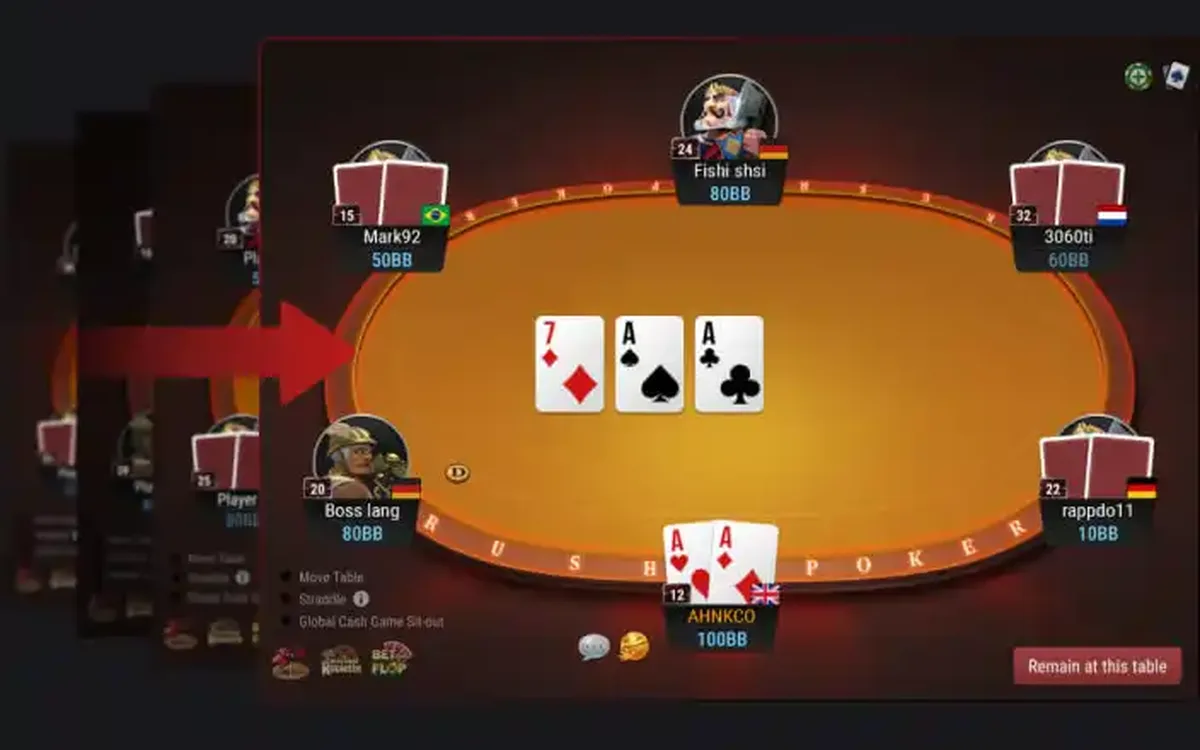
If you have fifteen minutes
Spin & Gold is a hyper-fast sit & go, usually three-handed, whose prize pool is chosen randomly before the first hand. Most games are played for a small multiple of the buy-in, and rare ones for a very large one, so results swing heavily from session to session.
All-in or Fold reduces every decision to two options: shove or fold. There is no post-flop play at all, which makes it the easiest format to learn. AoF Sit & Go uses the same rule in a short sit & go, and an AoF jackpot is paid for a straight flush in Hold’em or a royal flush in Omaha.
Tickets for these formats often appear in network promotions, so check the promotions section of the client: it is a cheap way to try them.
If you want classic cash
No-Limit Hold’em is the foundation. Regular tables suit beginners best: you can take your time, watch opponents and get used to the client. The stakes start from micro levels.
Rush & Cash is the fast-fold version: after a fold you instantly move to a new table with a new hand. You play many more hands per hour, which is good for volume and for clearing bonuses, but it also burns through a bankroll faster in a bad stretch. Set a time limit before you start.
Whatever the format, sit down with a stack you can lose without discomfort and leave the table when the planned time is up.
If you are after action
Pot-Limit Omaha deals four hole cards, and you must use exactly two of them with three from the board. PLO5 and PLO6 add a fifth and sixth card, making strong hands and big draws much more common.
Short Deck removes all cards from two to five, leaving 36. Because the deck is shorter, some hand rankings change, with a flush ranking above a full house. These games suit players who already feel confident in Hold’em and accept bigger swings.
If you like tournaments
The MTT schedule runs non-stop, from small buy-ins to big network series. Some tournaments include bubble protection, refunding the buy-in to the player who busts just before the prizes.
Mystery Bounty tournaments pay hidden bounties: in the bounty stage, each knockout gives you a random reward that can be modest or huge. Mystery Battle Royale brings a similar idea to a fast sit & go for a larger field. Flip & Go opens with an all-in preflop phase, and those who survive it go straight into regular play with deep enough stacks.
Tournaments take time: a large MTT can last many hours, so register only if you are ready to play to the end or at least know when you will have to leave.
Where newcomers should start
A simple path that suits most players new to the network:
- 1Play a few sessions of regular NLHE at the lowest stake to get used to the client.
- 2Try Spin & Gold or AoF with free or cheap entries to see if fast formats suit you.
- 3Add Rush & Cash when quick decisions no longer feel stressful.
- 4Move to PLO, Short Deck or regular MTTs only with a bankroll that can absorb larger swings.
A word on variance
Fast and jackpot formats feel exciting precisely because results are unpredictable in the short run. Treat Spin & Gold multipliers and mystery bounties as entertainment, not as a plan for income, and decide on a session budget before you open the lobby.
If you notice that you pick formats for the thrill of a possible jackpot rather than for the game itself, it is a good moment to set stricter limits.
FAQ
01Are the games on PokerOK the same as on GGPoker?
Yes. PokerOK is a GGNetwork skin with a shared player pool, so the formats and the tables are the same.
02What is the easiest format to learn on PokerOK?
All-in or Fold, because every decision is just shove or fold. For learning real poker skills, regular Hold’em at low stakes is the best start.
03What is Short Deck?
Hold’em played with a 36-card deck without twos to fives. Some hand rankings change; most notably, a flush beats a full house.
More PokerOK guides
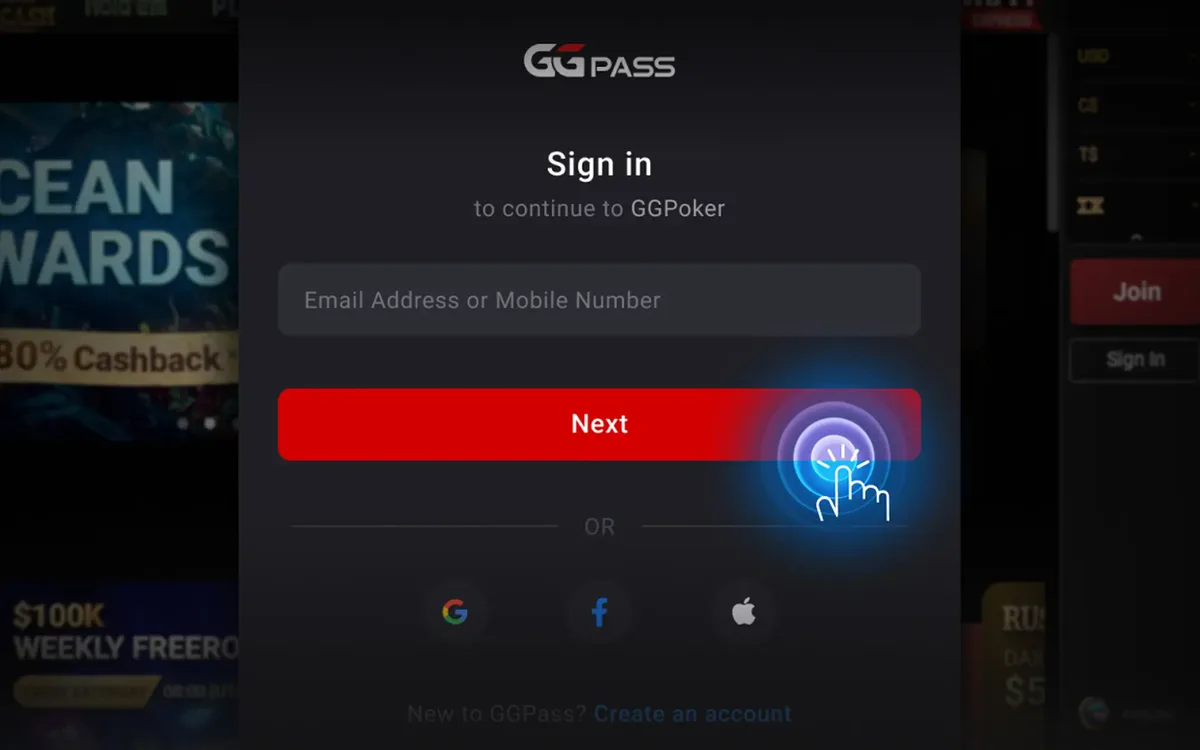 PokerOK Registration: How to Create an Account (2026)PokerOK is the Russian-language door into the GGNetwork player pool. Signing up is done inside the client and takes only a few minutes, but the details you enter now will be checked against your documents later, so it is worth doing it carefully.Read the guide
 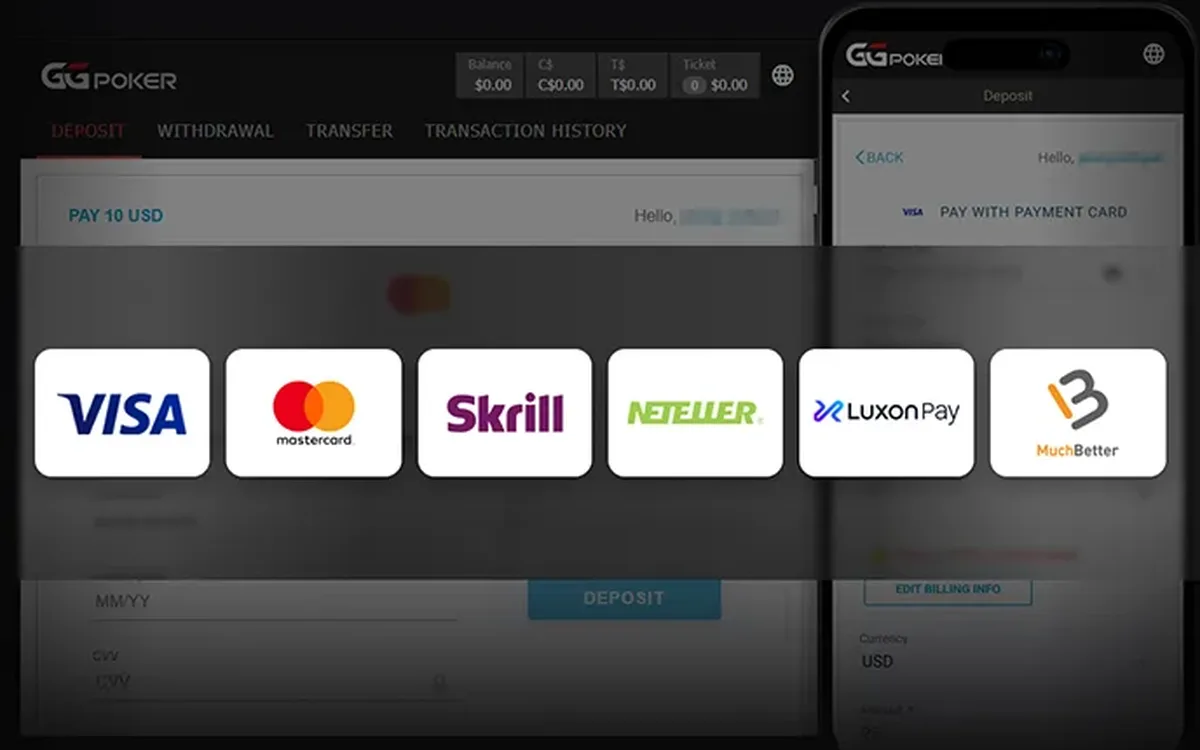 How to Deposit at PokerOK: Crypto and Local Methods (2026)The cashier is the main practical reason many CIS players choose PokerOK over the main GGPoker brand. It is built around cryptocurrencies and payment methods common in the region, but exactly what you will see depends on where you live.Read the guide
 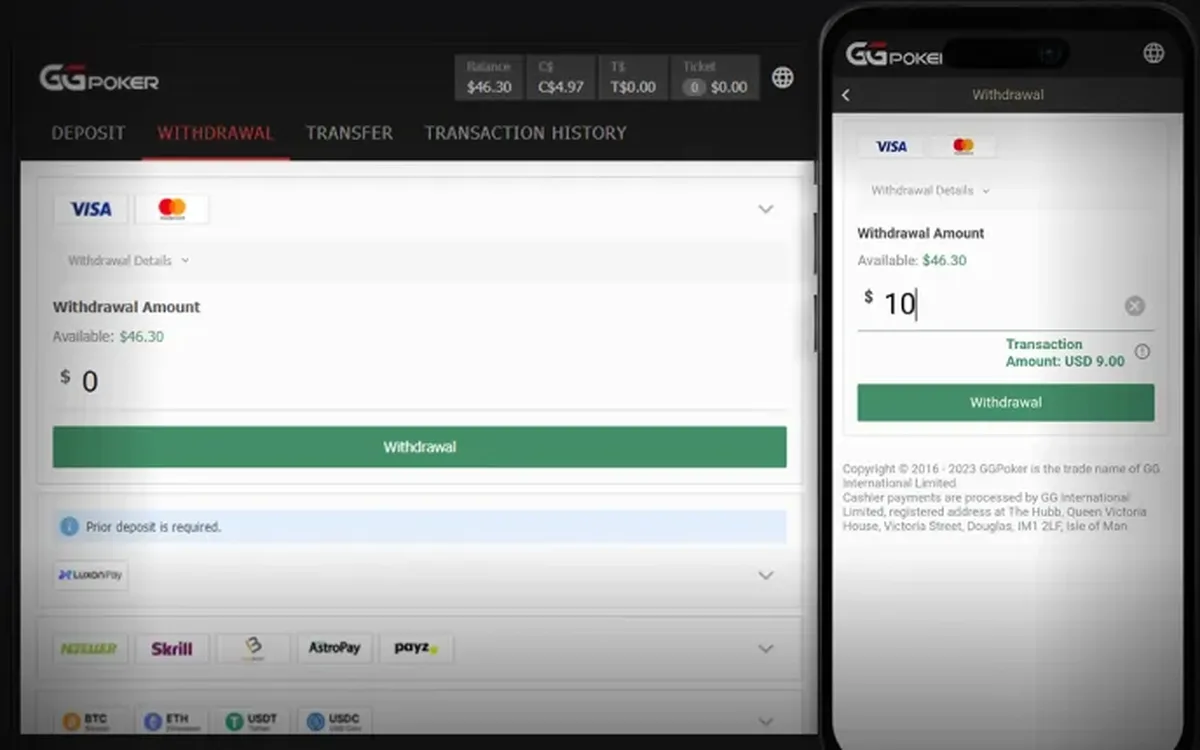 How to Withdraw Money from PokerOK: Step by Step (2026)Withdrawing from PokerOK is mostly about preparation. The request itself takes a minute in the cashier; what decides how smoothly it goes is whether your profile, payment details and documents are in order beforehand.Read the guide
 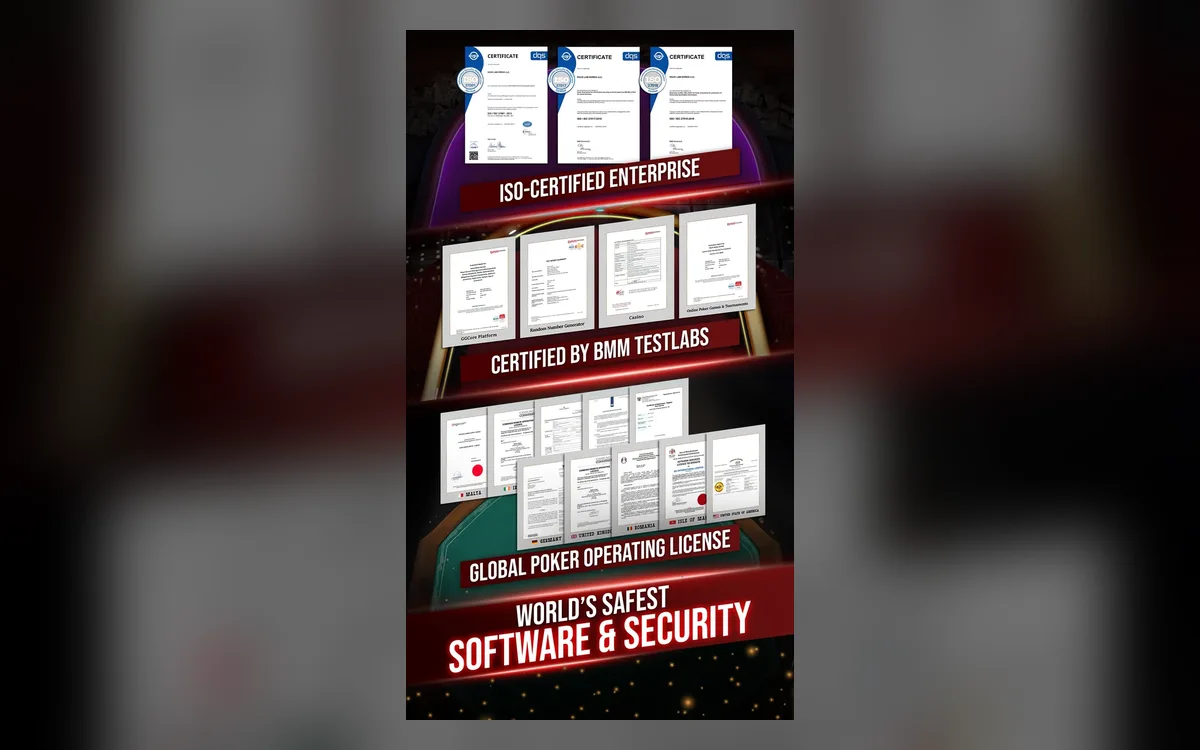 PokerOK Verification: Which Documents and How to Pass (2026)Sooner or later PokerOK may ask you to confirm who you are. For CIS players this often comes with the first sizeable withdrawal. Knowing the usual requirements in advance turns a stressful wait into a short formality.Read the guide
 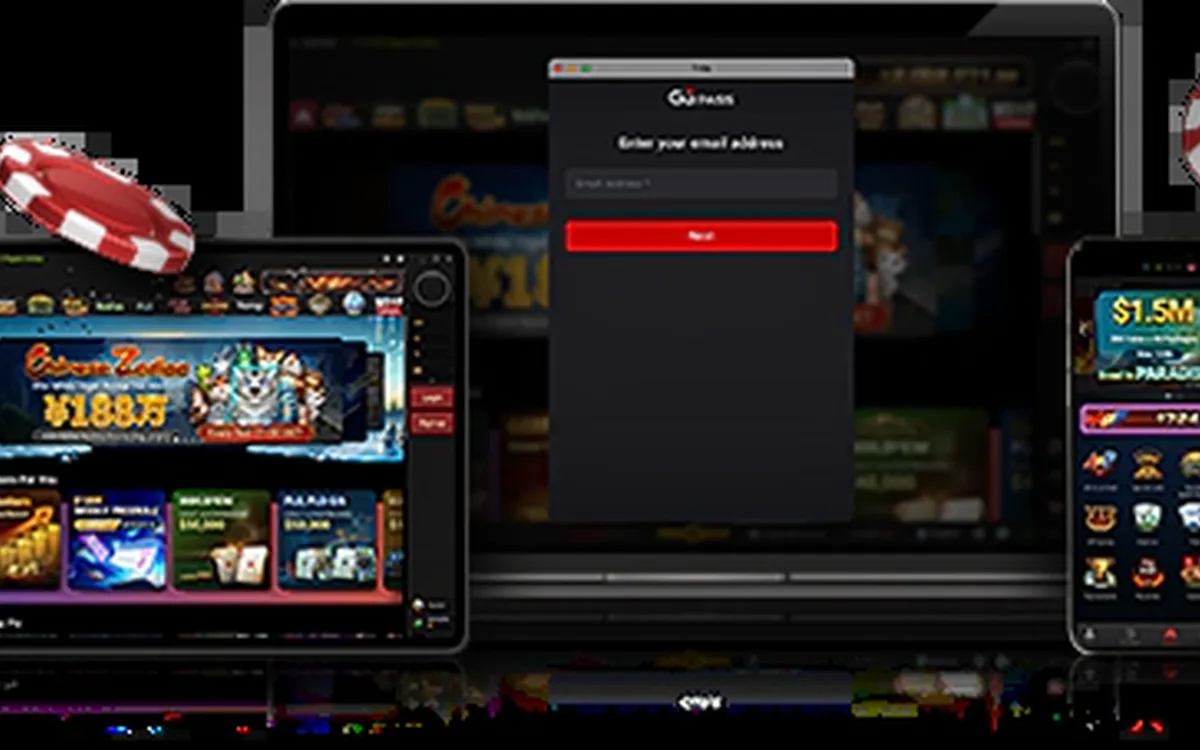 PokerOK Won’t Start or Connect: Troubleshooting Guide (2026)When PokerOK refuses to start or keeps losing the connection, the cause is almost always on the player’s side: an outdated client, an overprotective antivirus, an unstable network or a damaged installation. This guide is organised by symptom, so jump to the one that matches yours.Read the guide
 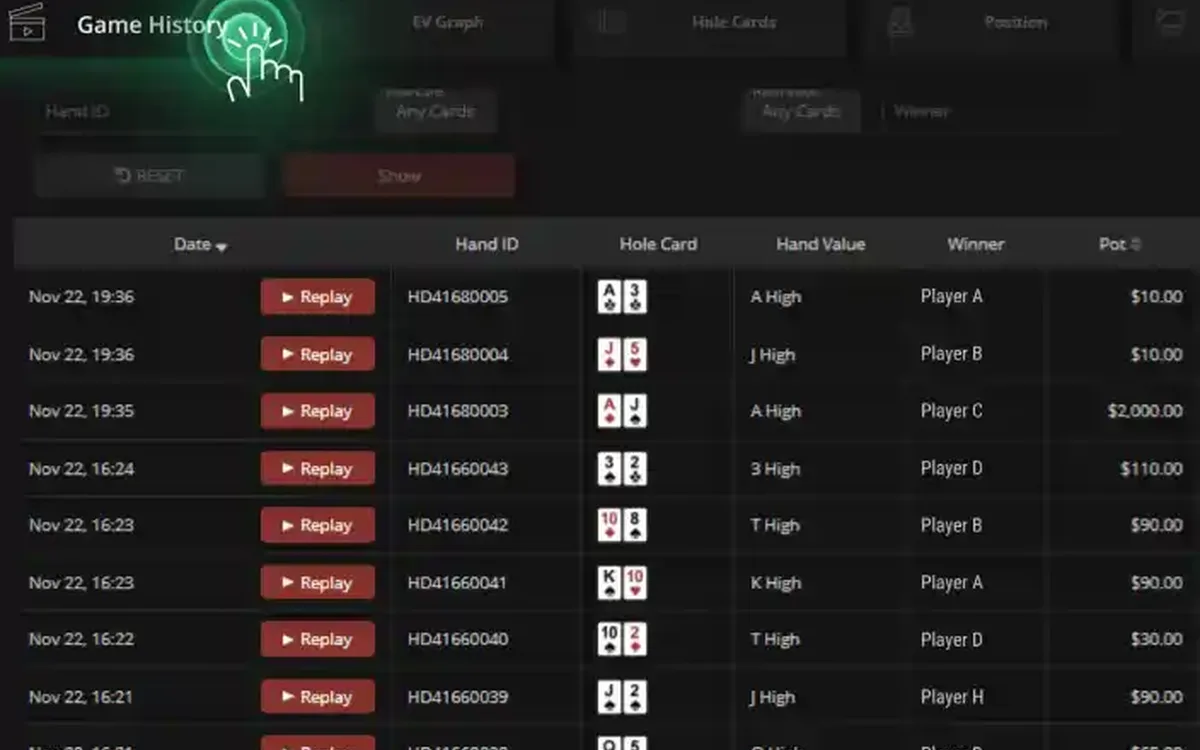 PokerCraft on PokerOK: Analysing Your Game Without a HUD (2026)Players who move to PokerOK from rooms that allow trackers are often surprised: no HoldemManager, no PokerTracker, no third-party HUD. The network replaces them with its own tools, and with the right routine they are enough for serious work on your game.Read the guide
 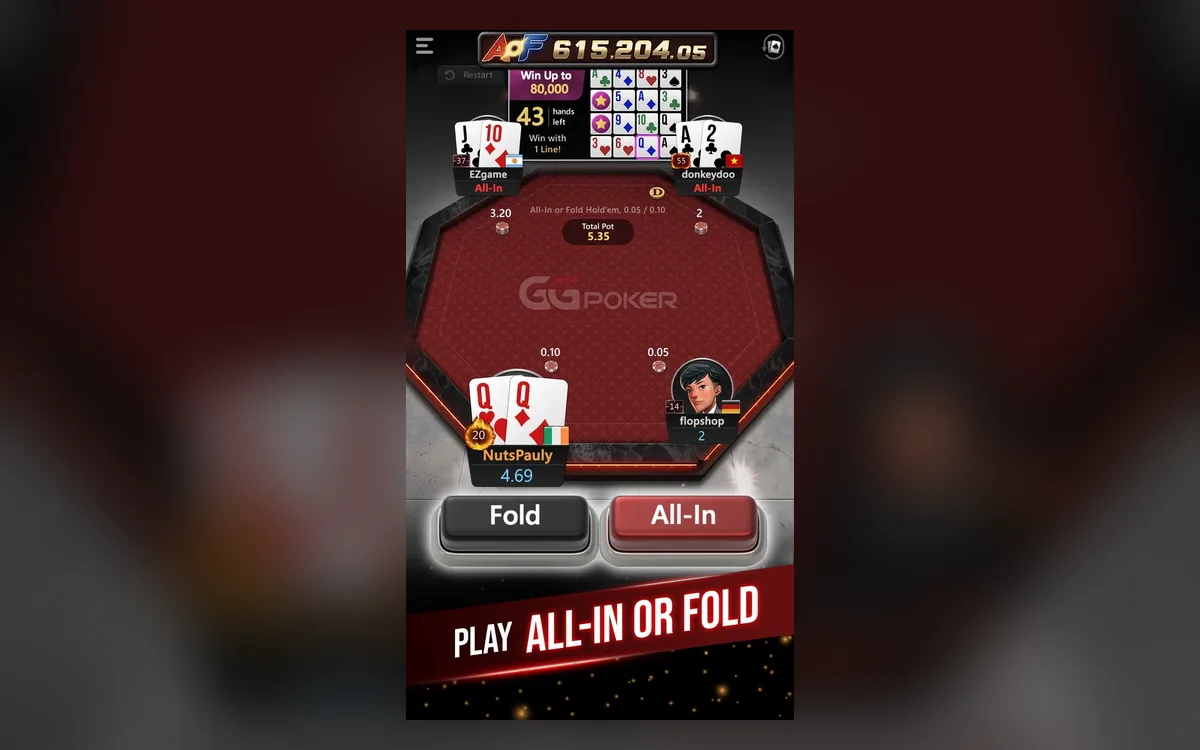 PokerOK Mobile: Playing on Android and iPhone (2026)Many PokerOK players in the CIS play mostly from a phone: on the way to work, in the evening on the sofa, or while a tournament runs in the background. The app handles this well, as long as you install it safely and understand its limits.Read the guide